




Russian technical translation is used to exchange specialized scientific and technical information between people speaking Russian and other languages. In a simplified approach, technical translation refers to the translation of technical texts. It is based on a formal-logical (collective) style, which is characterized by accuracy, non-emotionality and impersonality. The vocabulary uses many terms of Latin or Greek origin. The grammar of Russian technical translations uses specific and firmly established grammatical norms: indefinite personal and impersonal constructions, passive phrases, impersonal Russian verb forms are widely used. Logical selection uses inversion.
The key issue with Russian technical translation is the need to combine knowledge of this language with the knowledge of technology and Russian technical terms. Due to the shortage of technical translators with both linguistic and technical backgrounds, there has long been debate about the preferred basic education for a technical translator. Some authors believe that linguistic higher education (i.e. education in the field of foreign languages) is preferable, followed by building up the terminological base and technical knowledge.
Other authors believe that competent Russian technical translation requires professional knowledge of the relevant field of technology, and good knowledge of a foreign language is not so essential, especially when translating into the native language. Regardless of the technology for performing Russian technical translations, there is a problem of finding qualified personnel to perform translations, which is associated both with the level of education of translators and the situation on the Russian translation services market. As a result, the overall level of technical translations in Russia is relatively low, and many companies that need to do such work need to look for a specialized Russian technical translation agency. You can check out some of our latest translation projects below.

Translation of the robotic welding line test report includes description of equipment operation, accuracy of performed tasks, results of joint strength tests, and recommendations for adjustment and maintenance for safe usage.
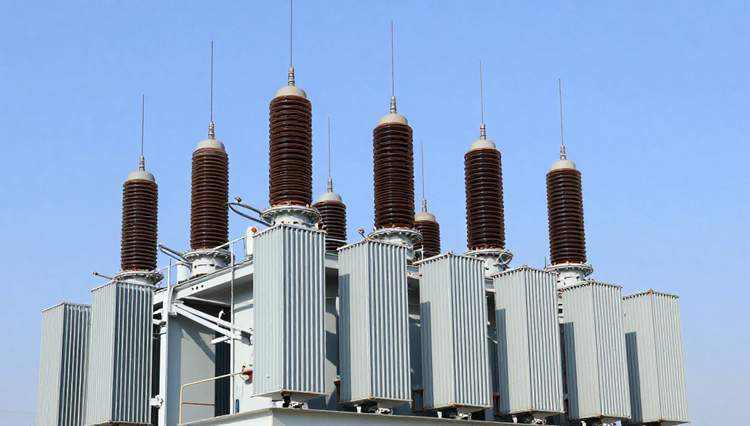
Translation of a technical report on power transformer insulation degradation requires accurate rendering of terminology, diagnostic data and expert conclusions essential for assessing equipment condition and supporting informed engineering decisions

Translation of the industrial data center operation manual includes instructions for installation, connection, maintenance of server equipment, management of cooling and power systems, and ensuring the security of the infrastructure
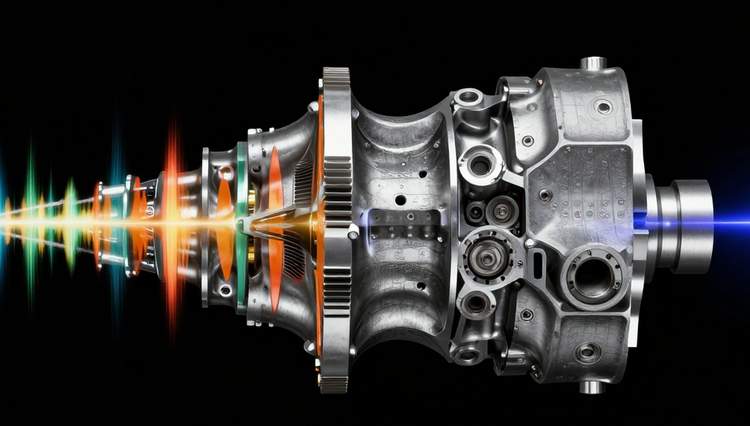
Translation of an operational assessment on vibration stability of a gearbox unit ensures accurate transfer of measurement parameters, diagnostic findings and recommendations required for evaluating reliability and planning further equipment operation
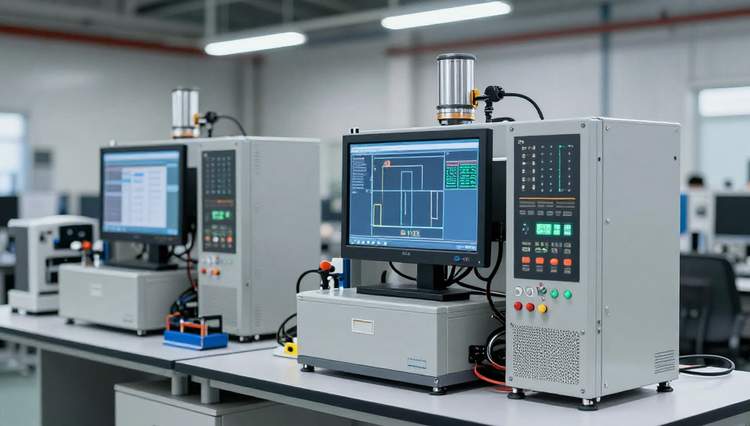
Translation of the industrial automation system maintenance manual includes configuration of controllers, programmable logic modules, sensors, and actuators, along with preventive maintenance recommendations and troubleshooting procedures for equipment
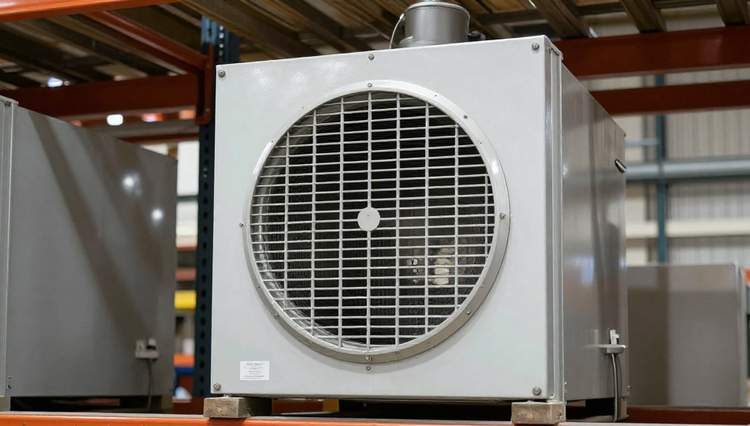
Translation of the operating manual for the automatic warehouse ventilation system describes the equipment, installation, configuration, airflow management, and maintenance of optimal environmental conditions within storage areas
Warning: This website was developed for Beltran Translations and is the property of Beltran company. It is prohibited to use the information appearing at this website without the rigtholder's permission. The information on the website is the property of Beltran Translation Agency.
Beltran Translations is a Belarus based company offering English to Russian translation services, including written technical and legal translation. We have been providing Russian translation services for 20+ years, we are experts in our field who delvier Russian translations at really affordable rates.